Netflix is now treating video podcasts as a category of their own.
With a new visual identity created by LOS YORK, Netflix is building a system that clearly separates video podcasts from its usual shows and films, while still feeling part of the same platform.
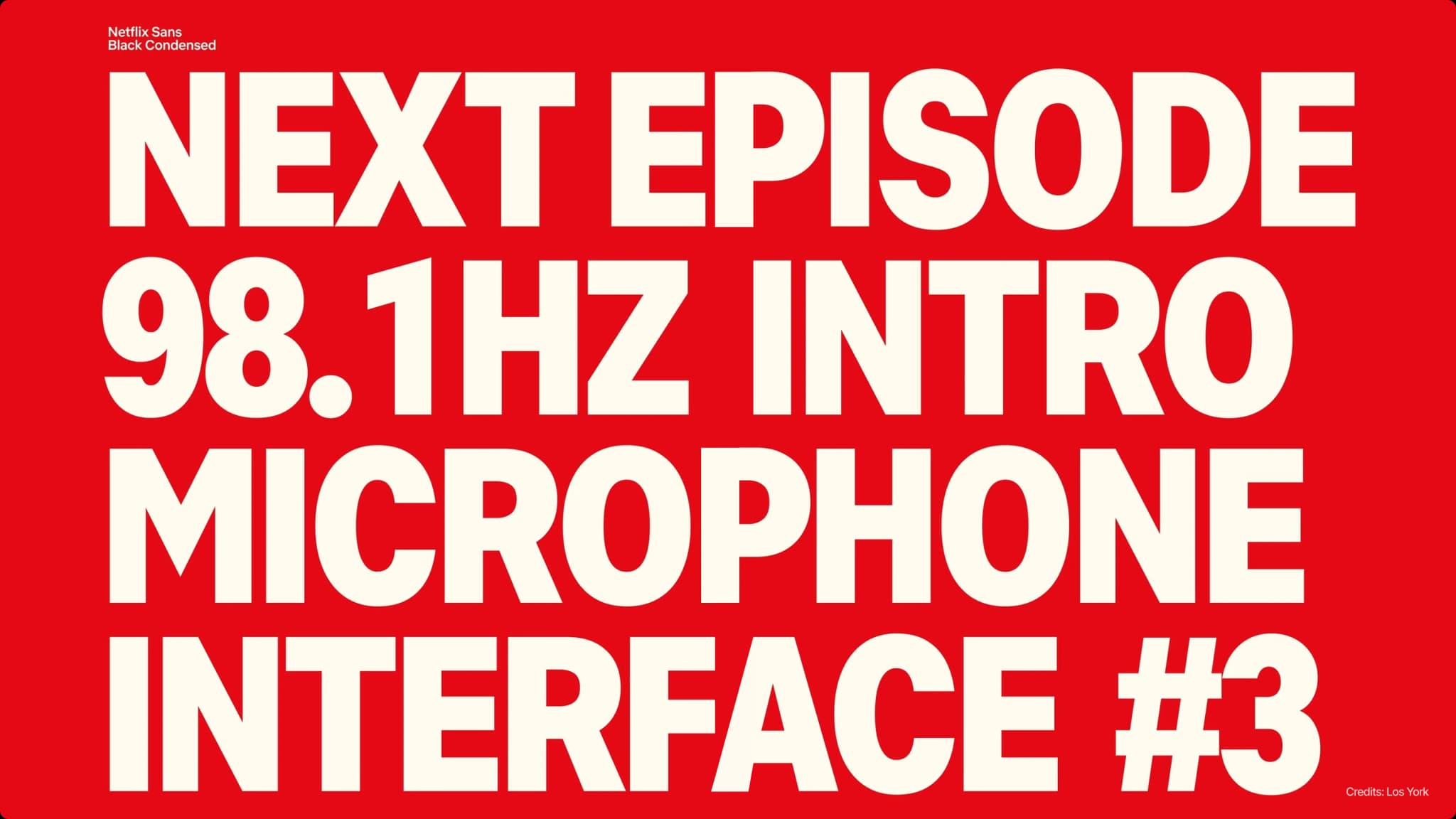
At the center of this system is typography. Using Netflix Sans along with a custom quotation mark symbol, the design directly reflects dialogue, making the idea of “conversation” the core visual.
The system is also modular. This means it can easily adapt across multiple shows without losing consistency. Whether it’s one podcast or fifty, everything still feels connected.
This matters because video podcasts are growing fast, and they sit somewhere between entertainment and content. Netflix needs a clear way to present them so users instantly understand what they’re watching. This is a very system-first approach. Instead of creating individual designs for each show, Netflix has built a flexible framework that can scale.
The use of typography as the main element is intentional. Conversations don’t need heavy visuals but clarity. The quotation mark becomes a simple but strong symbol that signals dialogue instantly.
What’s also interesting is restraint. There are no complex graphics or distractions. The design stays minimal so that the focus remains on the people and the conversation.


