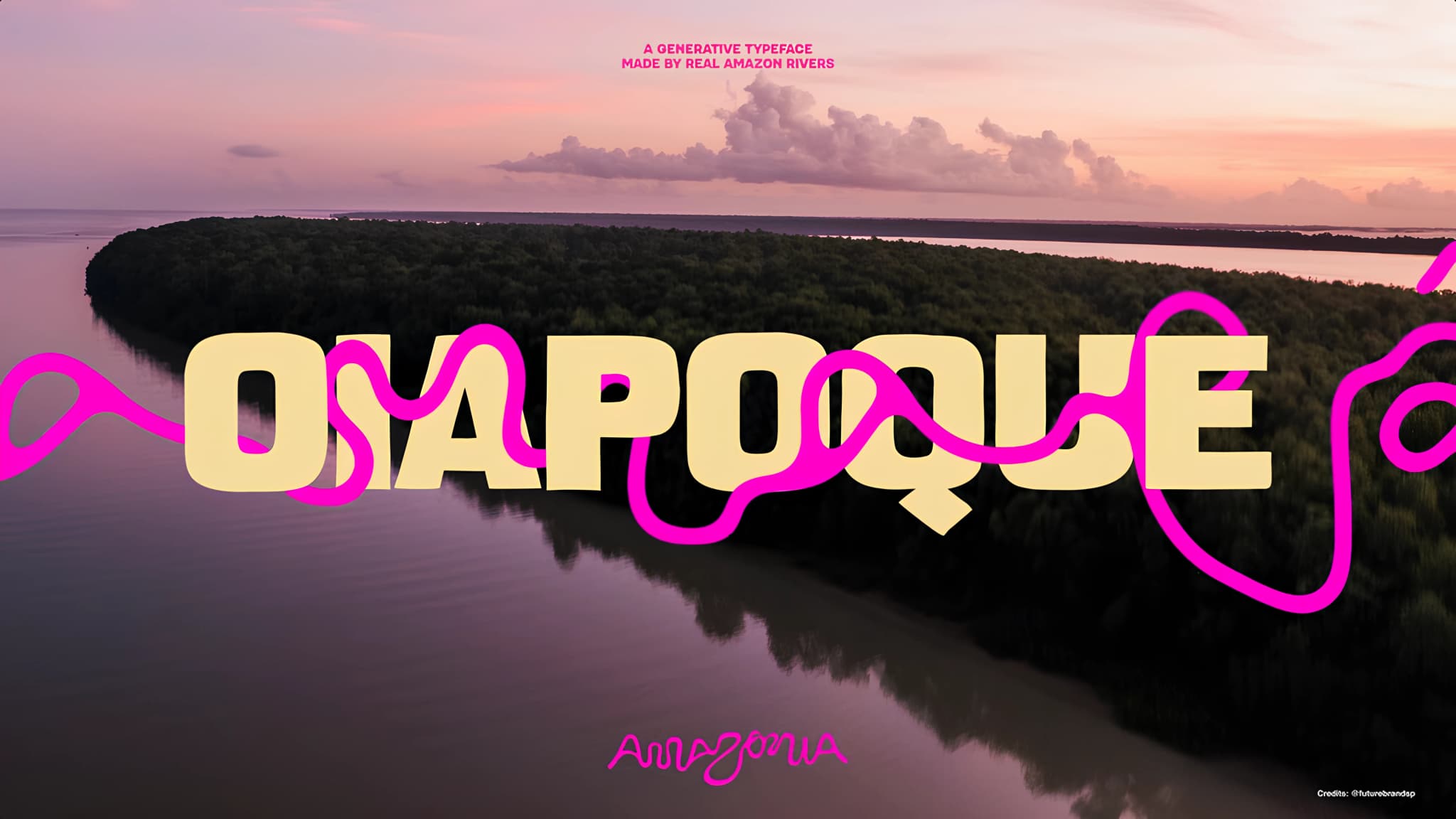
The Legal Amazon, a massive region covering 60% of Brazil has never had a unified brand before.
Now, for the first time, that’s changing. With a new identity led by FutureBrand São Paulo in partnership with Embratur, the Amazon is being positioned as a connected, global experience.

Until now, the Amazon was known globally, but not structured as a brand. There was no single identity that brought together its culture, people and economic potential.
This new initiative creates one unified system that represents 9 states, millions of people and a wide range of industries from tourism to local craftsmanship.
What makes this important is the intent behind it. This is about building a sustainable ecosystem where local communities, artists and businesses benefit directly.
The introduction of the “Feito de Amazônia” (Made of Amazon) seal is a key part of this. It allows local products to carry a clear identity, helping them stand out and create economic value.
The most interesting part of this identity is where it comes from.
The logo is inspired by the actual curves of the Amazon’s rivers, over 25,000 km of natural pathways that define how people navigate the region. These curves are turned into custom letterforms, which makes the wordmark feel deeply connected to the place itself.
The visual system includes a flexible typeface, a vibrant colour palette and illustrations inspired by local fruits, wildlife and culture.
What stands out is that it is designed as a “living brand,” something that can evolve across different formats like posters, products, clothing and digital media while still feeling consistent.


